What Is Injection Moulding and Why Is It Important?
Injection moulding is a manufacturing process in which molten plastic material is injected into a mould cavity under controlled pressure, cooled or solidified, and removed as a finished component. It is one of the widely used methods for manufacturing plastic parts in repeatable quantities.
Injection moulding is important because it can produce components with consistent dimensions, complex shapes, functional features, and repeatable quality. It is suitable for both customized components and higher-volume production, depending on the mould, material, machine, and production requirements.
Working Principle of Our Injection Moulding
Our Plastic Injection Moulding process generally follows these steps:
- Material Selection: A suitable plastic material is selected according to the component's application, required properties, and processing requirements.
- Material Preparation: The plastic raw material is prepared according to the selected moulding process.
- Plastic Melting: The material is heated inside the injection moulding machine until it reaches a suitable molten condition.
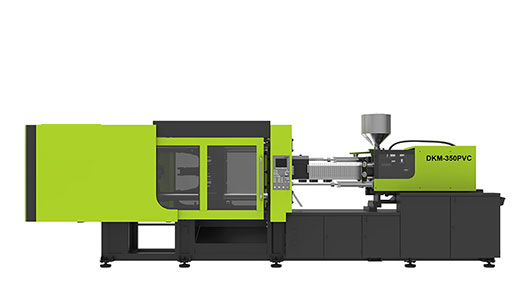
- Injection: Molten plastic is injected into the mould cavity under controlled pressure, using our all-electric injection moulding machines, imported from Japan, ranging from 86T to 300T.
- Mould Filling: The material fills the cavity and takes the required shape of the component.
- Cooling: The moulded plastic component is cooled until it becomes sufficiently solid for removal.
- Mould Opening: The mould opens after the required cooling cycle.
- Component Ejection: The finished plastic component is removed from the mould.
- Inspection: Components are checked for dimensions, appearance, and specified requirements.
- Finishing and Dispatch: Additional finishing or assembly can be performed where required before delivery.
Types of Our Injection Moulding
We provide different Plastic Injection Moulding solutions according to component design, material, production quantity, and application requirements.
- Custom Injection Moulding: Custom Injection Moulding is used to manufacture plastic components according to customer drawings, dimensions, designs, material specifications, and functional requirements.
- Precision Injection Moulding: Precision Injection Moulding is suitable for components where dimensional consistency, accurate mould reproduction, and controlled production are important.
- High-Volume Injection Moulding: High-volume injection moulding is suitable for manufacturing large quantities of identical plastic components with repeatable production cycles.
- Low-Volume Injection Moulding: Low-volume injection moulding is suitable for specialized products, development requirements, small production batches, and selected customized components.
- Thin-Wall Injection Moulding: Thin-wall injection moulding is used for lightweight components where the product design requires relatively thin sections and efficient material usage.
- Insert Moulding: Insert Moulding combines plastic with a pre-positioned insert, such as a metal component, to produce an integrated finished part.
- Overmoulding: Overmoulding involves moulding one plastic material over an existing component or substrate to create a combined component with specific functional or design requirements.
- Multi-Cavity Injection Moulding: Multi-Cavity Injection Moulding uses a mould containing multiple cavities to produce multiple components during a single production cycle, depending on the mould design.
- Engineering Plastic Injection Moulding: Engineering plastic injection moulding uses suitable engineering thermoplastics for components requiring specific mechanical, thermal, electrical, wear, or chemical properties.
- Complex Plastic Component Moulding: Complex plastic component moulding is used for parts featuring detailed geometries, ribs, openings, contours, housings, and other application-specific design elements.
Features of Our Injection Moulding
- Custom Plastic Components: We manufacture plastic components according to customer drawings, dimensions, and application requirements.
- Precision Moulding: Suitable processes can be used for components requiring dimensional consistency and repeatability.
- Material Compatibility: Different thermoplastic and engineering plastic materials can be selected according to application requirements.
- Complex Component Manufacturing: Injection moulding can produce components with detailed geometries and functional features.
- Repeatable Production: The process supports consistent production of similar components across manufacturing cycles.
- High-Volume Production: Injection moulding is suitable for applications requiring larger quantities of plastic components.
- Low Material Waste: The mould-based process can support efficient material usage when appropriately designed and controlled.
- Consistent Surface Finish: Suitable mould and process conditions can provide the required surface appearance for applicable components.
- Custom Moulding Solutions: Moulding parameters and tooling can be developed according to specific component requirements.
- Application-Specific Manufacturing: Materials and moulding processes can be selected according to the intended use of the finished component.
- High-Heat Material Processing: We can process high-heat materials such as Polyamide 4:6 (Stanyl), PPS, and PSU.
- In-House Mould Development: We support in-house mould development and reverse engineering, along with metal-to-plastic design and development for suitable components.
- Finishing & Sub-Assembly: Additional finishing operations can be provided, including screen printing, pad printing, ultrasonic welding, and sub-assembly.
Applications of Our Injection Moulding
Our Injection Moulded Components are suitable for various industries and applications.
- Automotive Components: Plastic injection moulding is used for automotive interior components, exterior parts, housings, covers, brackets, trims, and other functional components.
- Electrical Components: Injection moulding is used for electrical housings, insulation components, connectors, covers, switches, and other plastic electrical parts.
- Electronic Components: Plastic injection moulding can produce electronic housings, enclosures, covers, protective parts, connectors, and component supports.
- Medical Components: Suitable plastic materials and moulding processes can be used for selected medical components, healthcare products, housings, and functional parts.
- Industrial Components: Injection moulding is used to manufacture industrial housings, covers, brackets, machine components, protective parts, and other engineering components.
- Packaging Products: Plastic injection moulding can be used for selected packaging components, closures, caps, containers, and thin-wall products.
- Consumer Products: Injection moulding supports the production of household products, handles, housings, utility components, storage products, and other consumer parts.
- Electrical Appliance Components: Plastic injection moulded parts are used for appliance housings, covers, knobs, supports, internal components, and other functional parts.
- Engineering Plastic Components: Engineering plastic injection moulding is used for components requiring specific mechanical, dimensional, thermal, wear, or chemical properties.
- Industrial Automation Components: Injection moulding can be used for selected automation housings, sensor covers, brackets, protective components, guides, and other plastic parts.
Why Choose Us as Injection Moulding Manufacturers in Pune?
- Custom Injection Moulding: We manufacture components according to specific drawings and application requirements.
- Plastic Component Manufacturing: We provide solutions for different types of plastic injection moulded components.
- Material Selection Support: Suitable plastic materials can be selected according to the required component properties.
- Precision Manufacturing: Our approach focuses on dimensional consistency and repeatable component production.
- Multiple Moulding Options: Custom, precision, insert, overmoulding, multi-cavity, thin-wall, and engineering plastic moulding solutions can be considered.
- Industry-Focused Solutions: We support requirements for automotive, electrical, electronics, industrial, medical, and consumer applications.
- Custom Component Development: Components can be manufactured according to drawings, samples, dimensions, and specifications.
- Production Flexibility: Moulding solutions can be planned according to component design and production quantity.
- Quality-Focused Manufacturing: Components can be inspected according to defined dimensional and visual requirements.
- Pune-Based Manufacturing: We provide injection moulding and plastic component manufacturing solutions for businesses in Pune.
- 34+ Years of Engineering Experience: Our promoter is a plastic engineer with over 34 years of experience in plastics manufacturing.
- ISO 9001:2015 Certified: We are an ISO 9001:2015 certified company, with certification by TÜV NORD.
- 850+ Completed Projects: Our track record includes 850+ completed projects for 520+ happy clients.
- On-Time Delivery & Competitive Pricing: We are committed to reliable on-time deliveries and competitive pricing.
Advance Plastics is a leading Injection Moulding Manufacturers, suppliers and exporters in pune, provides plastic injection moulding solutions for customized and application-specific plastic components. Our solutions cover custom injection moulding, precision injection moulding, engineering plastic moulding, automotive plastic components, electrical parts, insert moulding, overmoulding, thin-wall moulding, and multi-cavity injection moulding. Contact us to discuss your plastic component requirements and identify a suitable injection moulding solution.
Frequently Asked Questions About Injection Moulding
1. What is injection moulding?
Injection moulding is a manufacturing process in which molten plastic is injected into a mould cavity, cooled or solidified, and removed as a finished plastic component.
2. What is plastic injection moulding?
Plastic Injection Moulding is the process of forming plastic components by injecting molten plastic material into a mould cavity. It is widely used for producing repeatable plastic parts in different shapes and sizes.
3. What materials are used in plastic injection moulding?
Common materials can include ABS, PP, HDPE, LDPE, Nylon, Polycarbonate, PVC, PET, POM, and other thermoplastic or engineering plastic grades, depending on the component requirements.
4. What types of injection moulding do you provide?
We provide Custom Injection Moulding, Precision Injection Moulding, High-Volume Injection Moulding, Low-Volume Injection Moulding, Thin-Wall Injection Moulding, Insert Moulding, Overmoulding, Multi-Cavity Injection Moulding, Engineering Plastic Injection Moulding, and Complex Plastic Component Moulding.
5. What are injection moulded components used for?
Injection moulded components are used in automotive, electrical, electronics, medical, industrial, packaging, consumer products, appliances, engineering, and automation applications.
6. What is custom injection moulding?
Custom injection moulding is the manufacturing of plastic components according to customer-specific drawings, dimensions, material requirements, mould designs, and application specifications.
7. What is insert moulding?
Insert moulding is a process in which a pre-positioned insert, such as a metal component, is combined with plastic during moulding to create an integrated part.
8. What is overmoulding?
Overmoulding is a moulding process in which plastic is moulded over an existing component or substrate to create a combined finished product.
9. Can you manufacture engineering plastic components?
Yes. Engineering Plastic Injection Moulding can be used to manufacture components from suitable engineering plastics when specific mechanical, thermal, electrical, dimensional, wear, or chemical properties are required.
10. How do I choose Injection Moulding Manufacturers in Pune?
Consider the manufacturer's plastic material capabilities, injection moulding processes, custom component manufacturing capability, mould and tooling support, quality inspection practices, production requirements, and experience with your application.